
NDT of electrofusion welds: for reliable PE piping systems
The quality of an electrofusion weld is essential for the safety and service life of a PE piping system. A defect in the weld can lead to leakage, reduced strength, or premature failure.
We ensure the quality of electrofusion welds through a combination of visual inspection, non-destructive testing (NDT), and, where necessary, destructive laboratory testing.
The complete examination process consists of:
- Verification of weld preparation and welding parameters before commencement
- Control during and after the welding process on site
- Visual examination of test welds and field welds
- Non-destructive ultrasonic PAUT examination
- Destructive examination of test and field welds in our laboratory
From visual inspection to PAUT examination
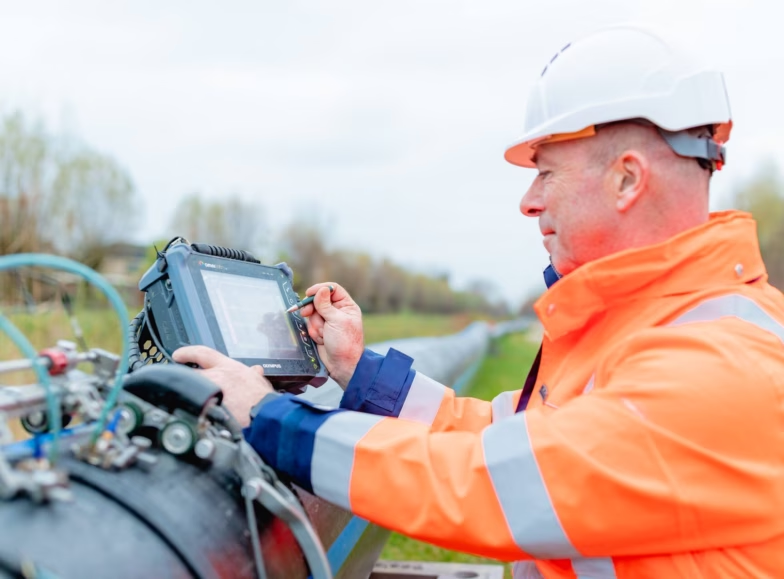
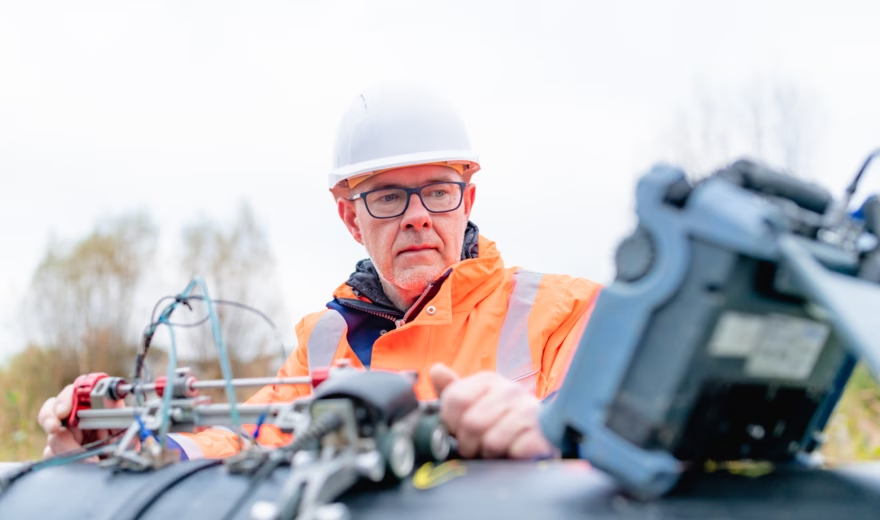
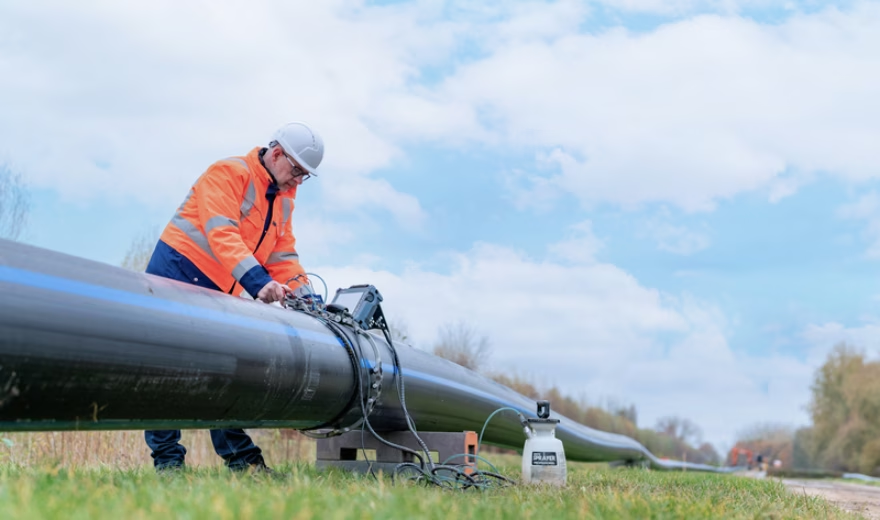
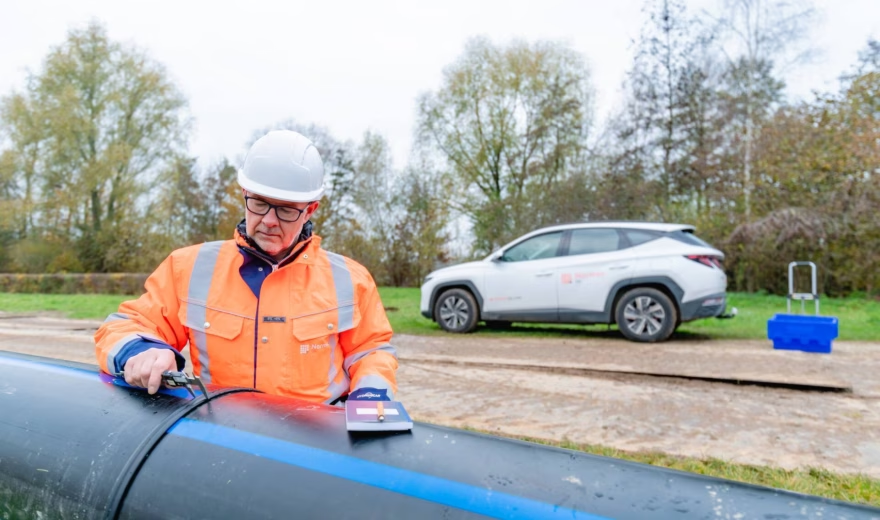
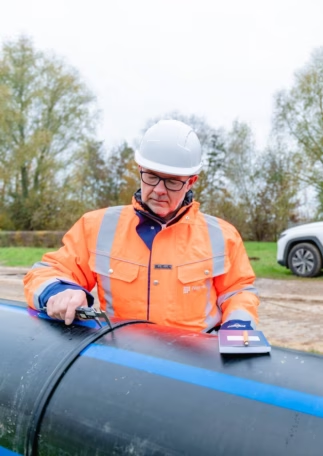
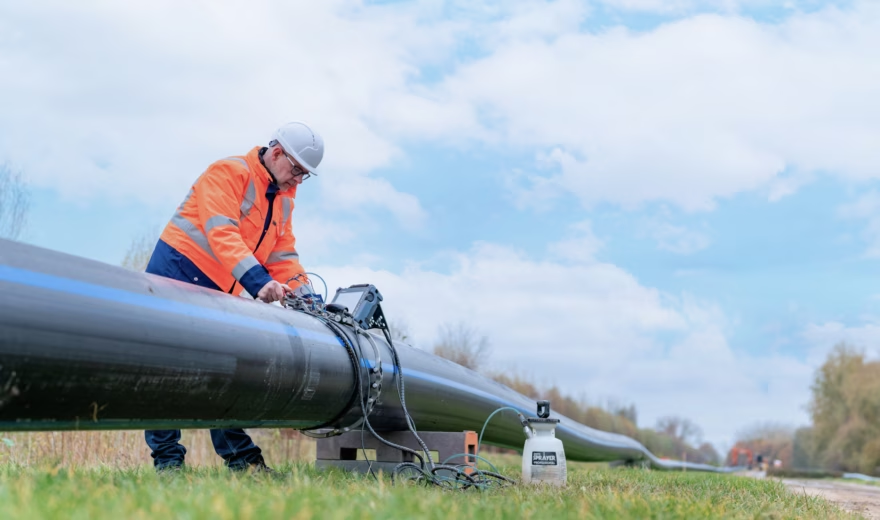
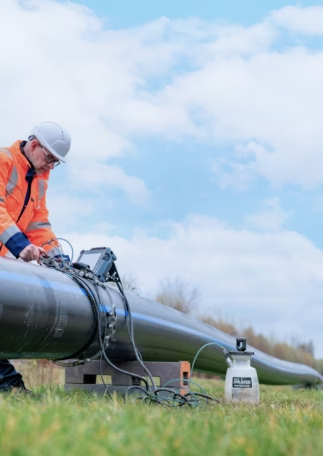
After the visual examination, a certified ultrasonist performs on-site ultrasonic examination. For this we use a scanner with PAUT probe (Phased Array Ultrasonic Technique).
With this technique, we transmit sound waves through the entire electrofusion joint. This results in a scan image in which possible non-permissible abnormalities become visible, such as:
- Cavities
- Contamination
- Air inclusions
- Irregularities in the welding zone
This is how we assess the quality of the weld zone without damaging the joint.
Combination of NDT and destructive testing
Non-destructive testing is carried out on site and leaves the electrofusion weld intact. When additional verification is required, we perform destructive testing in our laboratory.
In destructive testing, we test the strength of the electrofusion weld with a detachment test.
In doing so, we assess:
- The fracture behavior of the welded joint
- Whether there is a sticking weld
- Whether a brittle fracture occurs
The combination of NDT and destructive testing gives a complete picture of the quality of the joint.
Specifically, this means that you:
- Certainty about the internal quality of the weld zone
- Identify abnormalities such as contamination or air bubbles in a timely manner
- Reduce the risk of leakage or failure
- Demonstrably complies with
- Transparent accountability to client and supervisor
Quality assurance of electrofusion joints
Requirements for underground piping systems are becoming increasingly stringent. Demonstrable quality of electrofusion joints is therefore not a luxury, but a necessity.
With our independent inspections and investigations, you keep a grip on the quality, safety and durability of the PE piping system. Any deviations become visible at an early stage so that you can make timely adjustments. Together we ensure reliable connections.
Would you like to know more about NDT of electrofusion welds?
Project References
You might also be interested in these services
Frequently asked questions about NDT of electrofusion welds
-
NDT (Non-Destructive Testing) is a method of assessing the quality of an electrofusion weld without damaging the joint.
-
PAUT stands for Phased Array Ultrasonic Technique. This method uses sound waves to reveal internal defects in the weld.
-
When additional verification of weld joint strength and fracture behavior is desired.
-
Yes, visual examination and ultrasonic PAUT examination are performed on site.
-
We work according to NTA 8828.
-
Yes, in non-destructive testing, the joint remains completely intact.