Microscopic examination of plastic products
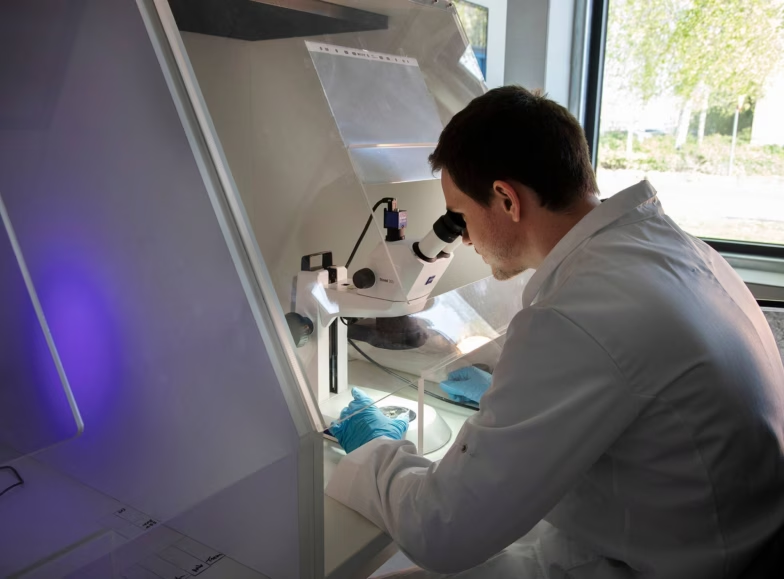
In the laboratory we carry out completely independent microscopic research on plastic products and plastic compounds. Here, our specialists analyze materials on a microscopic level.
This examination is used as part of a regular quality control, service life examination or damage examination. By accurately analyzing material structures and damages, insight is gained into the quality and behavior of plastic products.
Special laboratory equipment
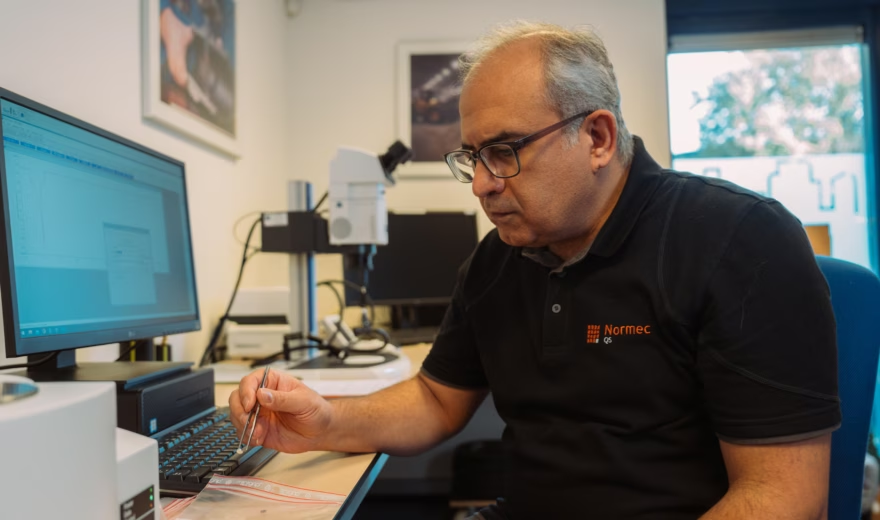
In microscopic examination, we analyze specimens and material surfaces using special laboratory equipment. This can reveal details that are not visible to the naked eye.
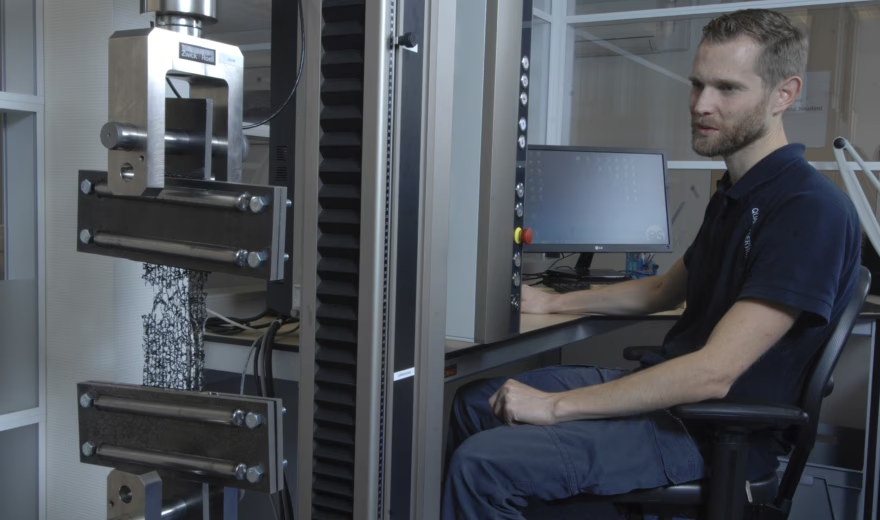
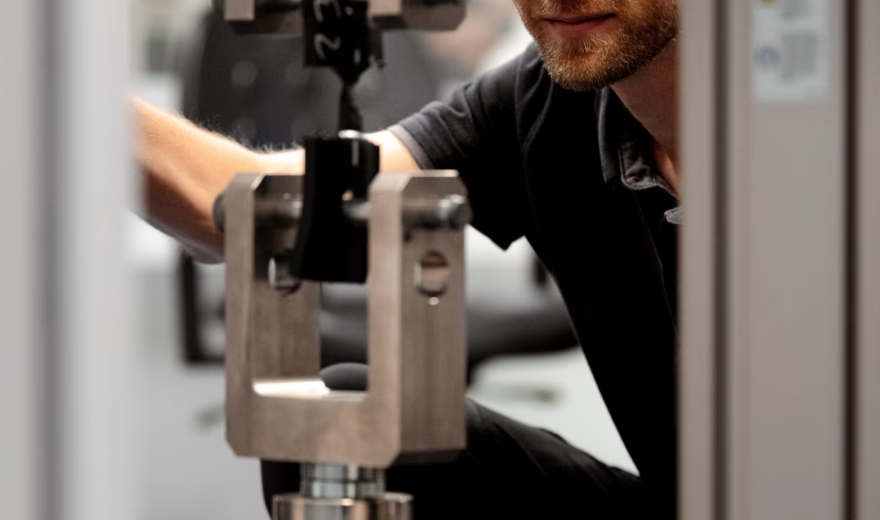
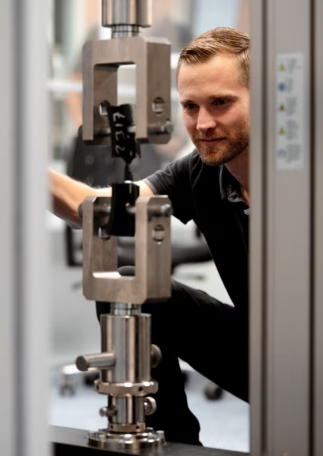
The examination is often performed on specimens that have previously undergone mechanical tests, such as tensile, tensile-strength or detachment tests. Microscopic analysis helps to better interpret the results of these tests.
Experienced specialists at Normec
Normec has laboratory facilities and experienced specialists for materials testing of plastics.
Thanks to many years of experience in inspection and material research, we support organizations in quality control, damage analysis and research into the lifespan of plastic products.
For you, this means:
- Insight into crack formation in cross sections of materials
- Analysis of fracture surfaces after tensile or detachment tests
- Support in interpretation of measured crack extension values
- Identification of the type of fracture or detachment
- Understanding damage and surface degradation of plastic products

Understanding cracking and material damage.
Microscopic examination is used, among other things, for analyzing cracking in cross sections and for fracture surface analyses of specimens.
These analyses support the interpretation of measured crack extension values and help identify the type of fracture or detachment. In addition, investigations can provide insight into various stages of cracking, from initial damage to fatal fracture.
Forms of surface deterioration and other damage to plastic products and joints can also be identified with microscopic examination.
Want to know more about microscopic examination?
You might also be interested in these services










Frequently asked questions about microscopic examination
-
This is research in which materials are analyzed with a microscope to reveal cracks, fractures or damage at the microscopic level.
-
In quality control, lifetime examination and damage examination of plastic products and compounds.
-
Among other things, cracking, fracture types, surface deterioration and other forms of material damage.
-
Yes, for example with tensile, tensile stroke or detachment tests.
-
It helps to better understand material damage and interpret test results more accurately.