
Accessibility links Skip to main content

Assessment of the Impact of Low-Carbon Fuels at Sea: A Technical Audit of Emission Reductions and Sustainability Verification.

Freight transportation contributes significantly to greenhouse gas emissions. Reducing these emissions is a challenging task due to the complexity and scale of freight networks. Although the financial burden often falls on carriers, shippers and logistics service providers (LSPs) can play a crucial role in alleviating this challenge. By collaborating with carriers, they can share the burden and demonstrate their commitment to a low-carbon economy. A promising approach to this is through low-carbon fuel programs.

Continue reading

Background

Normec Verifavia recently collaborated with a leading maritime carrier to verify their Low Carbon Fuel Program. This program was designed as a bilateral agreement between the carrier and its customers to reduce the emissions intensity of their transportation activities by switching to sustainable biofuels. Thanks to this initiative, the carrier was not only able to capture its Scope 1 emissions, but its customers were also able to claim reductions in their Scope 3 emissions.

Verification Process

  • Verification Framework

The verification was conducted in accordance with the Market-Based Measures Framework by Smart Freight Centre. This ensured the credibility and accuracy of the emission reductions achieved through the program.

  • Sustainability of Biofuel

An important aspect of the audit was confirming the sustainability of the biofuel used. The carrier provided proof of sustainability and fuel quality test results to demonstrate that the biofuel met the required standards.

  • Methodology and Calculations

Normec Verifavia compared the energy density and emission intensity of the biofuel (Used Cooking Oil—UCO) with those of conventional marine fuel oil (High Sulfur Fuel Oil—HSFO). These calculations were based on the EU’s RED II framework and utilized data from the biofuel supplier’s documentation.

  • Additionality Assessment

An additionality assessment was conducted to ensure that the emission reductions were legitimate and had not already been accounted for.

  • Register and Allocation

The verification resulted in a well-developed registry for recording biofuels and allocating insets. This registry ensured that allocations were made without double-counting, thereby providing transparency and accountability.

Benefits of the Low Carbon Fuel Program Audit

For Ship Owners/Operators
  1. Emissions reduction: Verified biofuel use helps reduce Scope 1 emissions, contributing to a lower overall carbon footprint.
  2. Regulatory compliance: Ensures compliance with international and regional regulations on emissions reduction, thereby avoiding potential fines.
  3. Market differentiation: Demonstrates a commitment to sustainability and attracts environmentally conscious customers and partners.
  4. Future-proofing: Prepares for future changes in regulations and market demands, ensuring long-term viability and resilience.
For shippers
  1. Scope 3 emissions reduction: Enables shippers to claim reductions in their Scope 3 emissions using verified emissions reduction credits.
  2. Enhanced reputation: Demonstrates a commitment to sustainability, thereby improving reputation among stakeholders.
  3. Competitive advantage: Provides a competitive edge by attracting environmentally conscious customers and partners.
  4. Risk mitigation: Helps mitigate regulatory risks and potential future costs associated with carbon pricing and stricter regulations.
  5. Contribution to global goals: Supports global efforts to combat climate change, in line with international goals such as the Paris Agreement.

Conclusion

The Low Carbon Fuel Program Audit conducted by Normec Verifavia provided the maritime carrier with assurance that its use of biofuel resulted in real and measurable emissions reductions. This verification not only helped the carrier comply with legal requirements and improve operational efficiency but also ensured that their customers could benefit from reduced Scope 3 emissions. The program demonstrates how collaboration between carriers and shippers can lead to significant progress in sustainability within the freight transport sector.

Questions?

Our experts are here to help

Contact us

Fill out the form and we will contact you shortly.

Name
In which country would you like assistance?
Privacy Policy 

Related news articles

13 Nov 2024

Decarbonizing shipping: The role of low-carbon fuels

Shipping is a major source of global greenhouse gas emissions, responsible for nearly 3% of global CO2 emissions in 2018 and about 11% of life-cycle transport CO2 emissions in 20201. According to the International Council on Clean Transportation, emissions from the maritime sector are expected to increase 16% by 2030 and as much as 50% by 2050 unless policies and regulations are implemented.


A form is filled out as part of an administrative, quality, or evaluation process.
28 Jul 2025

Understanding the Dutch Fuel Transition Obligation: What it means for volunteer efforts

Starting Jan. 1, 2026, the Netherlands will introduce a revised national fuel obligation as part of the transposition of the EU's Renewable Energy Directive III (RED III). This regulatory framework, known as the Fuel Transition Obligation, shifts the focus from renewable energy content to the reduction of greenhouse gas emissions. This change has a major impact on companies supplying biofuels and directly affects how voluntary insetting credits/claims can be generated and claimed. For stakeholders using biofuels for the voluntary market, including marine and inland navigation, this is a critical time. As an independent verifier of voluntary low-carbon fuel and balancing programs, Normec Verifavia shows below what is changing, how voluntary actions can be affected and what steps are essential to ensure credibility.

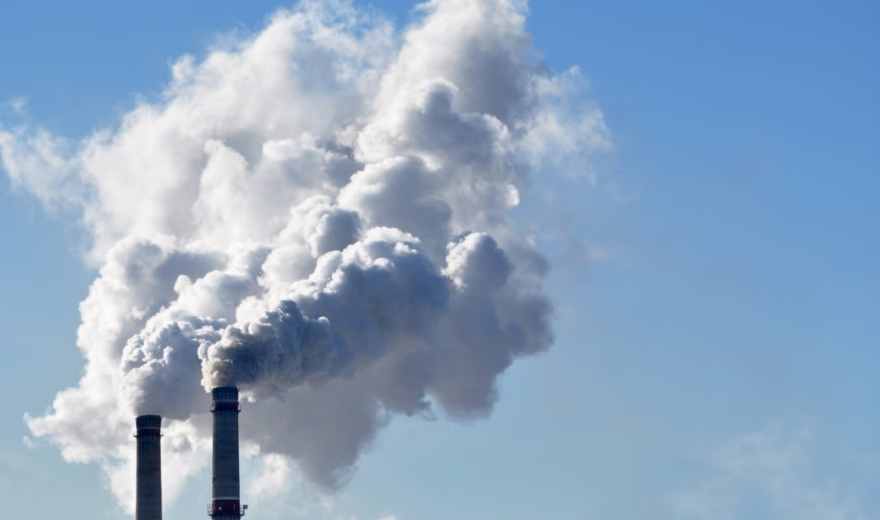
Industrial emissions rise from smokestacks as part of a production or energy process.
01 May 2026

ETS 2 First Verification Cycle Complete: Lessons from Early Implementation

ETS 2 verifications have now been completed for the first reporting cycle, marking an important milestone in the expansion of the EU carbon market to transport and building fuels.

Sign up for the newsletter

Stay up to date on the latest news, exclusive updates, and valuable insights.

Sign up

Fill in the form and you’ll receive our newsletter shortly.

Naam
Privacy Policy 

Related news articles

Carbon Intensity Indicator (CII)

Low Carbon Fuel (LCF)