

What will change as of 2026?
The new Fuel Transition Obligation replaces the existing RED II-based energy obligation with a carbon reduction-based system. The key features are
- Emissions-based obligation:
The new system shifts the focus from how much renewable energy is supplied to how much CO₂ is reduced throughout the fuel chain. Instead of an annual target based on the amount of renewable energy, fuel suppliers must achieve a certain amount of greenhouse gas emission reductions. As a result, the current renewable fuel unit (HBE) will be phased out and replaced by the emission reduction unit (ERE), with one ERE equal to 1 kilogram of avoided carbon dioxide equivalent emissions compared to conventional fossil fuels. - Extension to maritime sectors:
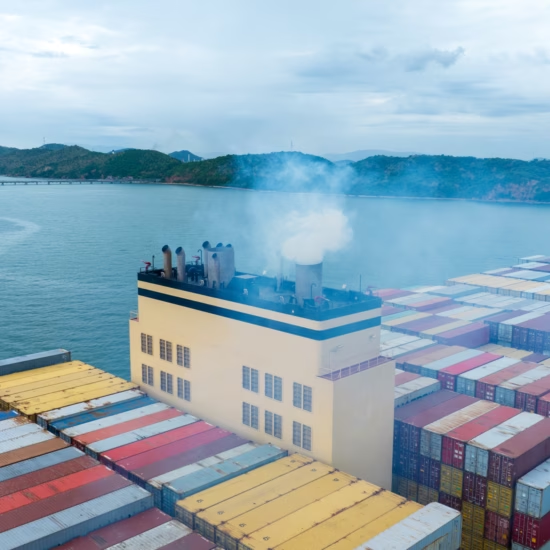
In contrast to the current system, the new obligation applies to fuels supplied to maritime and inland navigation, sectors that were previously outside the mandatory scope. This means that fuel suppliers in these sectors will also have to contribute to national emission reductions as part of their legal obligations from 2026. - Support for advanced fuels:
There will be special sub-targets for advanced biofuels, renewable hydrogen (RFNBOs), and restrictions on certain crop- and waste-based fuels (e.g., palm, soy, and used cooking grease).
This system is designed to make climate impacts both measurable and enforceable. However, it also limits the scope for recognizing voluntary GHG reductions in segments that are currently regulated.
Impact on voluntary use of credits
Currently, emission reductions from low-carbon fuels delivered to non-regulated sectors, such as inland navigation, could be credited to the voluntary carbon market through insetting programs. These voluntary interventions were often requested by carriers, logistics providers or end customers to support internal climate goals.
However, under the proposed implementation of RED III, the same delivered low-carbon fuels will be subject to regulatory obligation. From 2026, the supply of low-carbon fuels to regulated sectors such as inland and maritime shipping will be mandatory. As a result, emission reductions used to meet regulatory requirements cannot generate valid insetting credits unless they clearly exceed compliance thresholds. This has serious implications for the credibility and workability of insetting claims across the fuel value chain.
Important considerations for voluntary market participants
-
1.
Maintain credible addition
Only interventions that go beyond regulation in terms of volume, fuel mix, route, or scope can be considered fully complementary to voluntary claims. In the future, it may be relevant to ensure that the activities underlying a credit are clearly outside or beyond regulation.
-
2.
Coordinating with partners
When insetting claims are created or claimed by supply chain partners (e.g., shippers, logistics companies, carriers), it is important to create a common understanding of what activities are now covered by the obligation and to agree on how additionality is interpreted and demonstrated. Clear contract terms and aligned criteria between organizations will help future-proof voluntary action.
-
3.
Using independent registries
Voluntary insertion interventions can be registered in independent third-party registries to ensure transparency, traceability and credibility. A verified registration system also helps avoid double counting and ensures additionality by clearly distinguishing between voluntary activities and those used for compliance.
-
4.
Full transparency in reporting
Any GHG emission reductions voluntarily credited must be supported by robust documentation that explicitly states whether or not the activity was required by regulation at the time it occurred.
Why verification is important
As regulations become more stringent, relying on voluntary credentialing comes down to one thing: credibility. That means clear data, transparent reporting and independent verification.
At Normec Verifavia, we verify voluntary low-carbon fuel interventions and deployment credits on internal systems or external registries to ensure the claims are genuine, complementary and accurately accounted for.
Verification adds assurance where it matters most and helps organizations demonstrate real climate impact with confidence. Contact us to learn more about how independent verification can support your insetting strategy.
Want to create a safe and healthy working and living environment?
We test, inspect and certify so organizations can innovate safely, quickly, efficiently and cost-effectively.
References
- Official page on fuel transition obligation development, HBE mechanism, EREs, industry expansion and regulatory documents
- Netherlands publishes draft RED III biofuels
- Netherlands 2026 blend targets can be introduced retroactively: NEA
- RED3 developments in the Netherlands
- Blend targets, scope expansion and technical clarifications on RED III translation