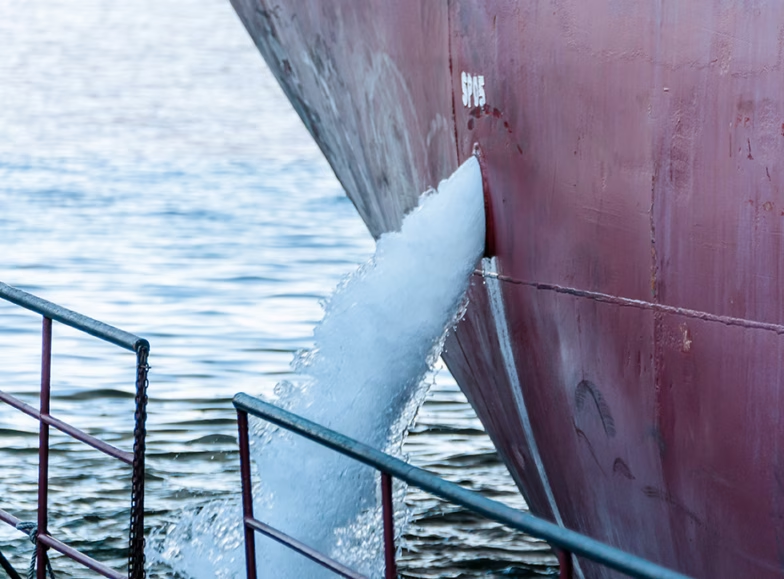


For VGP and ballast water regulations
Water testing for ships is necessary to comply with international regulations and environmental requirements. This includes testing bilge water, ballast water, scrubber water, grey water and potable water.
These analyses help comply with, among others, the EPA Vessel General Permit (VGP) and ballast water regulations.
Normec Verifavia supports shipowners and managers with water sampling, laboratory analysis and reporting, so that ships remain compliant and can operate safely.
Our approach
We guide the entire process of water testing on board. From quotation and documentation to sampling and laboratory analysis. Our experts ensure that samples are taken, analyzed and reported correctly in accordance with applicable regulations.
Our services include, among other things:
- VGP water testing (Vessel General Permit)
- BWTS D2 commissioning test
- Ballast water testing
- Bilge water testing
- Grey water testing
- Scrubber water testing
- Potable water testing
After the analysis, you will receive a report that can be used for inspections, audits and compliance documentation.
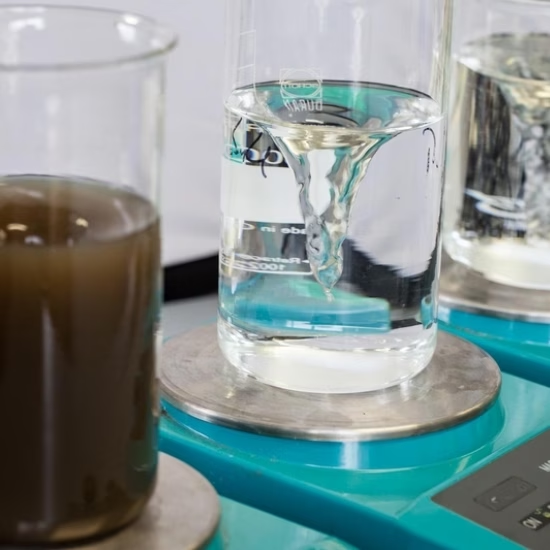
Expertise in water testing and maritime regulations
Normec Verifavia has extensive experience with water testing for the maritime sector. We work with accredited laboratories and ensure that all analyses comply with international standards and regulations.
Our experts understand the operational challenges of ships and ensure that sampling and testing are planned efficiently, so that this has as little impact as possible on the ship’s operations.
What does this mean for you?
- Compliance with EPA Vessel General Permit and ballast water regulations
- Less risk of fines and delays during inspections
- Assurance that the ballast water treatment system functions correctly Insight into water quality on board
- Less risk of environmental damage and operational problems
By testing in time, you prevent problems during inspections and audits.
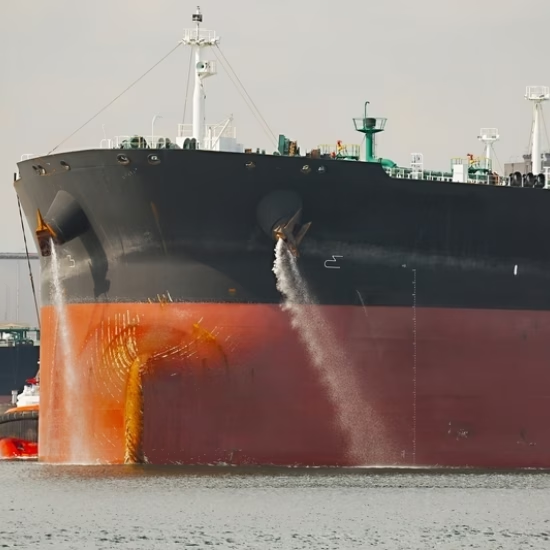
Future-oriented water management
Environmental regulations for ships are becoming increasingly strict, especially regarding water discharges and ballast water. By performing structural water testing and collecting data, you can demonstrate that your ship complies with regulations and prevent problems during inspections.
Normec Verifavia helps you with a structured approach to water testing and regulations, so that you are prepared for future inspections and changes.
Would you like to know more about maritime water testing?
You might also be interested in these services






Frequently asked questions about maritime water testing
-
VGP testing ensures that vessels meet EPA Vessel General Permit requirements for discharges such as bilge water, ballast water and gray water.
-
This is a test to verify that the ballast water treatment system is properly installed and functioning according to type approval and regulations.
-
Initially usually twice a year. If the vessel can demonstrate high quality data, this can be reduced to once a year.
-
Bilge water should usually be tested annually for oil and grease content according to VGP regulations.
-
Yes, drinking water on board should be tested regularly for bacteria, pH, chlorine, metals and Legionella according to WHO and MLC guidelines.
-
The process consists of a quote and documentation, on-board sampling, laboratory analysis and reporting.
-
VGP water tests are conducted to assess the environmental impact of ship discharges such as ballast water, bilge water and gray water. These tests verify vessel compliance with water quality standards and regulations.
-
The VGP regulation applies to most commercial vessels operating in U.S. waters. These vessels must periodically take water samples and have them analyzed to demonstrate compliance with the regulations.
-
Failure of a ship to comply with VGP requirements may result in fines, penalties or operational restrictions. If this happens, corrective action must be taken to meet the requirements.
-
VGP water testing is performed by accredited laboratories or qualified specialists who take and analyze water samples according to applicable regulations and test methods.
-
All ships must comply with the D-2 ballast water standard no later than September 8, 2024. This means that ships must have a functioning ballast water treatment system that meets the D-2 requirements.