




Accessibility links Skip to main content

A Day in the Life of an Auditor

What does an auditor actually do all day? Check off a list, review a few documents, and move on to the next client? Anyone who speaks with Taco Buissant des Amorie quickly realizes that it goes much deeper than that. Especially with the Safety Culture Ladder, his work revolves around people, conversations, and the picture you form together from those interactions. We asked him how he became an auditor, what his week looks like, and what happens on an audit day.

Continue reading

From the Lab to the Audit

Few people wake up one morning and decide they want to become an auditor. Taco, too, gradually grew into the role. He began his career at a laboratory that also conducted inspections and final checks following asbestos removals. There, he was first introduced to quality and management systems, particularly as they relate to accreditation standards.

— Taco Buissant des Amorie, Auditor bij Normec Certification Institute

Through that role, he came into contact with the Dutch Accreditation Council (RvA). First as the point of contact for the accredited laboratory, and later because of his expertise. Eventually, he joined the RvA as an application administrator, an asbestos assessor, and a quality officer for the Council itself. “It’s really a mecca for quality. There, you look at quality standards in a completely different way.”

Close-up of safety shoes on a ladder while working on a building or installation. The image illustrates working safely at heights, inspections, maintenance, and a focus on workplace safety.

A Conscious Choice

Taco really enjoyed his time at the RvA. He was given a lot of freedom, combined assessments with internal quality management, and even helped set up a new works council. Still, one thing weighed heavily on his mind. He lived in the Noordoostpolder and worked in Utrecht, which meant a commute of about four hours a day by public transportation.

“At a certain point, I realized I was starting to miss out on things in my family life. My children were getting older. That’s when I made the decision.”

He switched to a training and consulting firm. Through one of the shareholders, he made contact with Normec Certification Institute, and from that moment on, things started to take off. Since then, Taco has been conducting audits for Normec Certification Institute. He still performs assessments for the RvA, now as an external expert.

No two weeks are the same

For most of his week, Taco works as an auditor, primarily for certification and, to some extent, for accreditation. In this role, he encounters a wide range of standards. In addition, he chairs a NEN standards committee focused on asbestos and conducts on-site visits on behalf of NEN. In these roles, he observes other auditors—including those from Normec Certification—and monitors how the audit process unfolds.

He is perhaps most closely involved with the Safety Culture Ladder (SCL). Ever since its early days, when the ladder was still called the “Safety Ladder,” he has been contributing to its development. When management of the initiative transferred to NEN in 2016, he joined the team. He served on various working groups, including those focused on auditor qualifications and the revision to SCL 2.0. He also leads the mandatory masterclass on interview techniques for auditors who wish to conduct audits at the higher levels of the SCL.

— Taco Buissant des Amorie, Auditor bij Normec Certification Institute

An audit isn’t a checklist

Anyone who thinks an auditor mainly checks boxes is mistaken when it comes to the SCL. According to Taco, that might be true for standards like VCA, but the SCL works differently. There is a set of criteria, but during the audit, you basically set them aside for the time being.

“You don’t actually look at any records. It’s mainly about gauging employees’ perceptions. And those vary from person to person, sometimes even from day to day.”

During an SCL audit, the audit team—typically two people—gathers information about the company culture and about safety and health in the broadest sense of the term. Think of questions such as:

  • Are employees well-trained and sufficiently competent?
  • Are they truly alert when they start work?
  • What is the situation regarding work pressure and psychosocial workload?
  • How do employees, managers, clients, and local residents interact with one another?

Through interviews, observations, and everything you see, hear, and experience, you gather pieces of the puzzle. “At the end of the investigation, you put them all together and see what picture actually emerges.”

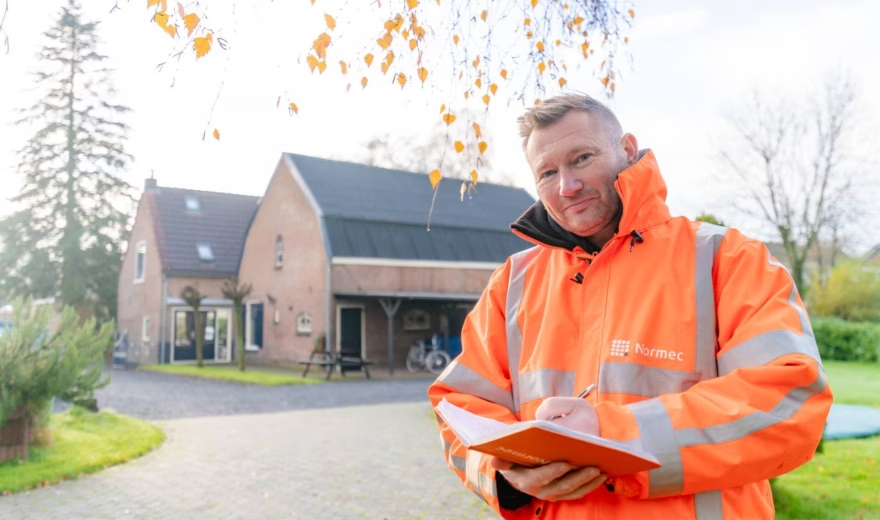
A person is writing on a clipboard with an inspection or audit form. The image illustrates quality control, audits, inspections, compliance, and the documentation of findings within business processes.

Preparation is half the battle

Taco is already familiar with most of the companies he visits as an SCL auditor. Still, every audit begins with thorough preparation. He requests an organizational chart and a list of names and job titles, and tries to get a sense of the organization’s context and scope. Based on that, he draws up an audit plan that’s as specific as possible.

“I always include specific names. That way, you make a conscious and responsible choice about who you’ll speak with. If someone is absent on the day of the audit, the organization comes to you, and you decide who will step in. That way, you stay in control. If an audit doesn’t go quite as planned, it’s almost always due to something you overlooked at the beginning.”

The Audit Day Itself

An audit day begins with an introduction. You get to know the company and go over the day’s program together. Then come the interviews, and according to Taco, that’s where the heart of the work lies.

“An SCL interview is like a high-level sport. You have an open conversation for an hour, without a questionnaire, and you’re constantly interacting. So you need to mentally recharge every now and then.”

That’s why he always schedules a 15-minute break between each pair of interviews. No tight schedule from 9:00 to 10:00 and straight into the next one from 10:00 to 11:00, but rather room to extend a session if a conversation is sensitive or requires more time. He compares it to a day full of Teams meetings that flow seamlessly into one another. By the end of the day, you’re exhausted.

Those in-between moments are also necessary for managing the audit itself. Briefly reflecting on the previous conversation, coordinating with your fellow auditor on points to focus on for the next interview, and, where necessary, clarifying details with the organization. “That’s in your own best interest, but above all, it’s in the interest of the audit’s quality.”

When is an audit considered successful?

Not the moment Taco walks out the door and can check the project off the list. And not necessarily when an organization achieves the desired level either.

“An audit is successful if you can provide feedback that the organization recognizes and can learn from. Even if a company doesn’t reach the intended level, it can say: we’re disappointed, but we do have a lot of learning potential that we can really put to good use. If you provide that kind of added value, then the audit is a success in my eyes.”

What challenges do organizations face?

Since it’s about culture, there isn’t just one specific bottleneck. Taco sees all kinds of issues come up. A schedule that’s causing problems or high workloads. Employees who receive too little guidance or sense of ownership. Or a big gap between how management thinks the work is going and how it actually plays out in practice. But one theme stands out.

"Communication. When you talk about culture, it’s about creating a shared understanding of reality together. Just think about how often a text or email comes across differently than you intended. Communication is incredibly complex. It can’t be solved with just another toolkit or a work meeting.”

Why Normec Certification Institute?

Taco knows various certification bodies from the inside out. What makes Normec Certification Institute special to him is its accessibility. The lines of communication are short, and you never have to search long to find someone who’s willing to work with you to find a solution.

"Normec Certification Institute is a very approachable company. There’s room for interaction, for opinions, and sometimes even for a bit of stubbornness—always with the intention of learning from it. If you offer constructive criticism, they really listen to it. And no matter how busy things get, everyone makes time for you to discuss something.”

That openness also creates space to take the initiative. Anyone who likes to take the lead, contribute ideas, and share their own perspectives will quickly feel at home at Normec Certification Institute. That’s exactly why Taco has enjoyed conducting his audits there for years.

Would you like to learn more about the Safety Culture Ladder?

Contact us

Fill out the form and we will contact you shortly.

Name
In which country would you like assistance?
Privacy Policy 
View the Safety Culture Ladder

Related news articles

26 Oct 2026

A Day in the Life of an Auditor

What does an auditor actually do all day? Check off a list, review a few documents, and move on to the next client? Anyone who speaks with Taco Buissant des Amorie quickly realizes that it goes much deeper than that. Especially with the Safety Culture Ladder, his work revolves around people, conversations, and the picture you form together from those interactions. We asked him how he became an auditor, what his week looks like, and what happens on an audit day.

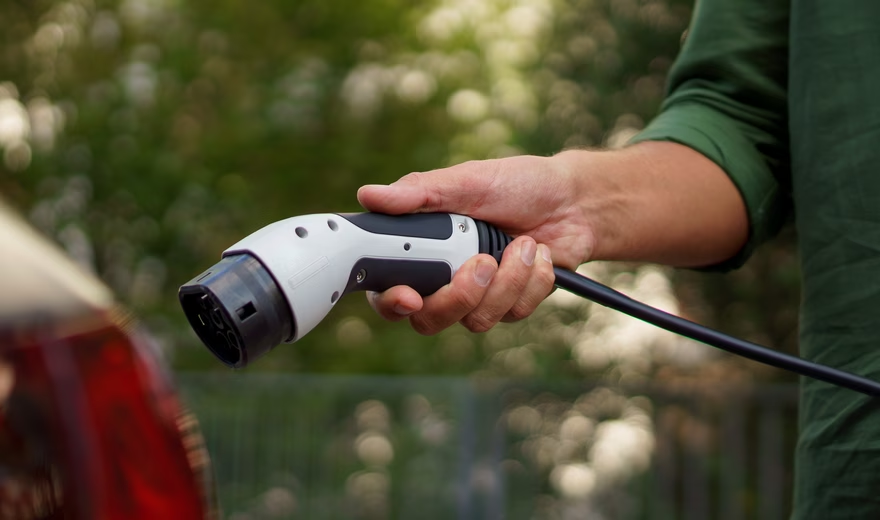
A hand holds a charging plug next to an electric car while it is charging. The image symbolizes sustainable transportation, the energy transition, and the use of electric mobility solutions.
13 Oct 2026

Jorn Bronsvoort on the “new” ERE market: We work alongside the registration service provider, from registration to approval.

"We want to help and support registration service providers so they’re well-prepared for the verification process."

A business handshake between two professionals during an introductory meeting, the signing of a collaboration agreement, or the conclusion of a meeting.
24 Sep 2026

ISO 9001:2026: What Will Change for Organizations?

The new ISO 9001 has been published. The standard for quality management systems has been updated, with a greater emphasis on leadership, quality culture, and managing risks and opportunities. What does this mean for your organization? Do you need to redesign your existing system, or simply refine it? Normec Certification outlines the key developments and practical considerations.

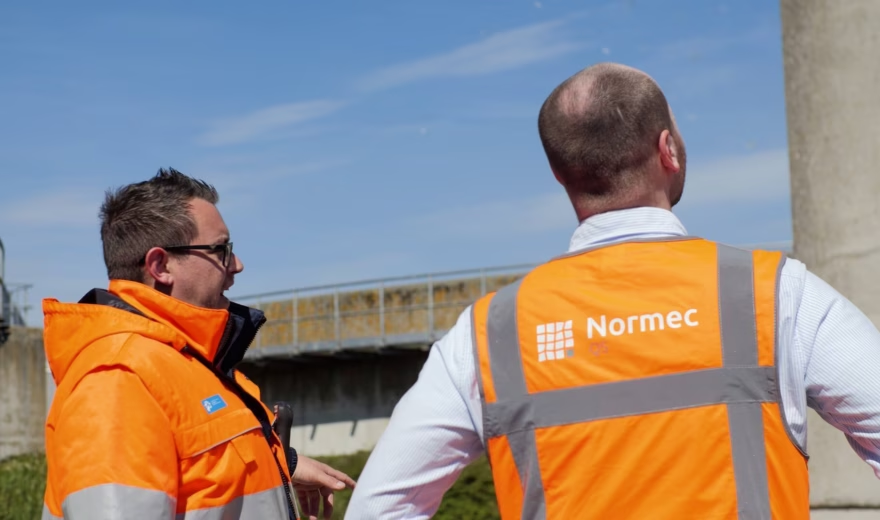
Two employees wearing reflective safety clothing are conducting a site inspection at an industrial construction site.
24 Sep 2026

Certification in Public Procurement

What does a certification requirement mean, and how can you properly prepare your organization?

An employee wearing reflective safety clothing checks documents during an on-site inspection.
24 Sep 2026

Normec VQZ GmbH – Partner for certification, prequalification, and conformity assessment

For over 30 years, Normec VQZ GmbH has been synonymous with independent, expert, and reliable certification services. From our office in Bonn, we support you in the further development of your management system and, through objective assessments, help build trust with your customers, business partners, government agencies, and other stakeholders.

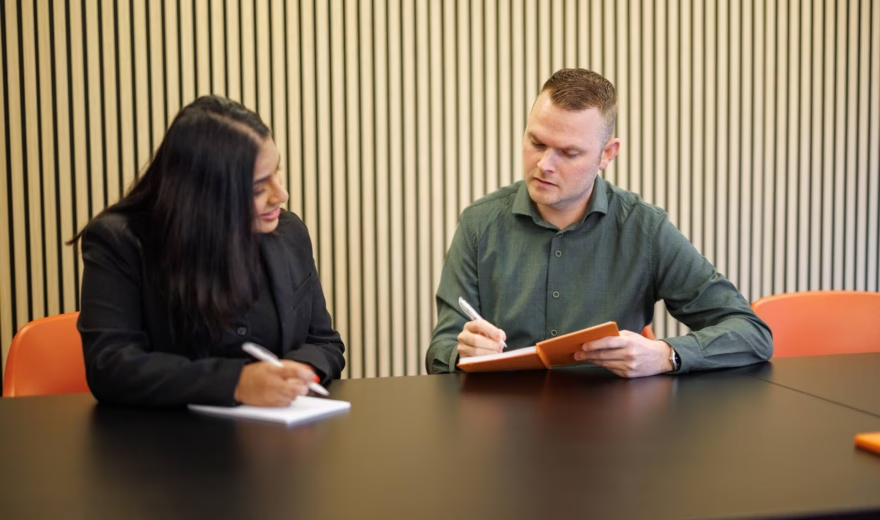
Two employees are discussing documentation during a meeting at a conference table.
09 Sep 2026

Looking Beyond the Standard: How PSO Raises Awareness of Social Entrepreneurship

Inclusive employment has evolved in recent years from a social initiative into a key component of sustainable and forward-looking entrepreneurship. Organizations are becoming increasingly conscious of how they create opportunities for people in vulnerable positions in the labor market or those who require support. At the same time, inclusive employment requires more than just good intentions. It calls for a structural approach, clear decisions, and demonstrable results. More and more organizations want to structurally embed inclusive employment practices into their business operations. But how do you objectively demonstrate that social impact is more than just an ambition on paper? As an independent certifying body, Normec VRO assesses organizations based on the Social Entrepreneurship Performance Ladder (PSO) and makes social entrepreneurship measurable, demonstrable, and sustainably transparent.

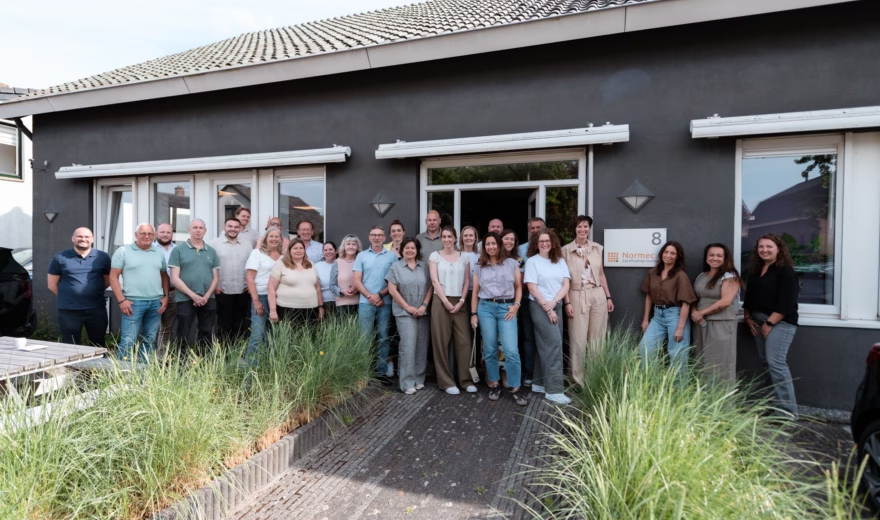
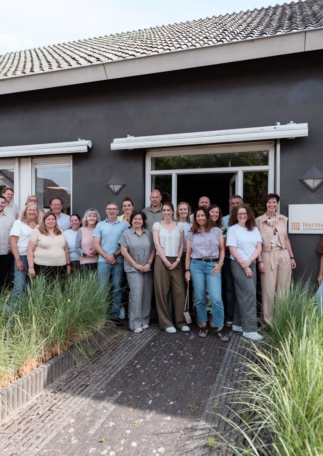
A group of employees is standing together in front of an office building during a team-building event.
08 Sep 2026

Collaboration within Normec: More Knowledge, the Same Trusted Approach

With our recent rebranding to Normec Certification Institute, we’ve made visible what has long been a reality: NCI is part of Normec.

Sign up for the newsletter

Stay up to date on the latest news, exclusive updates, and valuable insights.

Sign up

Fill in the form and you’ll receive our newsletter shortly.

Naam
Privacy Policy 

Related services

Safety Culture Ladder

SCC** certification

Close-up of a person writing with a pen in a notebook, relevant to documentation, quality assurance, inspections, and compliance processes.

SCC* certification

SCC certification

An employee is conducting inspection work near a high-voltage power pole in a rural area.

SCC -MAX certification

An employee is performing work at height using fall protection on a steel structure.

ISO 45001 certification